
Advisor Over Ambassador: David Milstein’s Influence In U.S.-Israel Policy
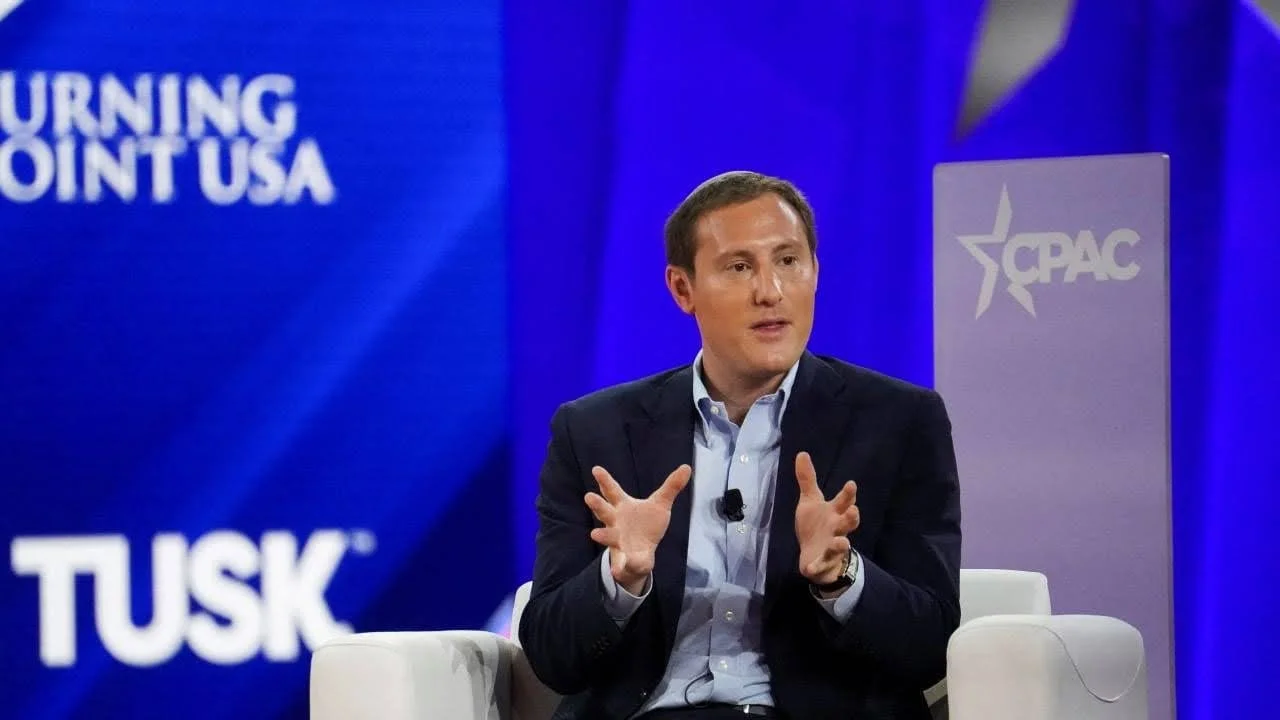
David Milstein attends a Conservative Political Action Conference event. Source: JPost.
Within international diplomacy, ambassadors traditionally serve as the backbone of communication and connection between nations. Although real-time communication methods have reduced reliance on these individual envoys, ambassadors, both their identity and their official actions, continue to hold a prominent symbolic role. Institutional protocol dictates that ultimate responsibility rests with ambassadors, with staff supporting. David Milstein, a top advisor to the U.S. Ambassador to Israel, Mike Huckabee, departs significantly from this traditional model.
In spring 2026, American diplomats stationed at the U.S. Embassy in Jerusalem drafted an “urgent cable” to Washington concerning the possibility of imminent famine occurring in the Gaza Strip. The ongoing war in Gaza and Israeli restrictions on humanitarian aid entering the Strip have created severe humanitarian conditions on the ground. Yet, officials in Washington never received the cable, and Ambassador Huckabee himself might not have either. An investigation by The New York Times reveals that the cable was intercepted and altered by a top advisor to Huckabee, David Milstein.
Milstein is no stranger to politics, and more specifically the world of geopolitics. Before his current role under Mike Huckabee, Milstein served as “special assistant” to U.S. Ambassador to Israel, David Friedman, and as an aide to Senator Ted Cruz’s (R-TX) national security team. Throughout his career, Milstein has prioritized the U.S.-Israel relationship and is staunchly against those critical of the Israeli government.
Just months after Milstein intercepted the cable, international health organizations officially confirmed famine in Gaza, validating the suppressed warnings by American diplomats in Jerusalem that had been correct in their analysis of the situation on the ground. However, Washington was never made properly aware. While the United States’ position, especially since the return of Donald Trump to the Oval Office, toward Israel and Gaza has been anything but consistent, humanitarian aid has often been the exception.
Milstein personally desires for the U.S.-Israel relationship to be durable and unquestionable. Yet, this personal desire has evolved to the point where employees of the State Department are beginning to question their job security. Following Donald Trump’s return to the presidency and Milstein’s return to the State Department in April 2025, efforts were taken to root out the “deep state,” which included individuals who subscribed to dissent cables related to Gaza. Milstein’s single-minded ideological focus has fostered a chilling environment within the State Department.
Standard diplomatic protocol requires Ambassador Huckabee to approve most major decisions, such as urgent cables to Washington from the U.S. Embassy in Jerusalem. As one of his top advisors, Milstein likely operates with a level of autonomy not awarded to others under Huckabee. This allows him to intercept internal reports and filter out potentially defamatory rhetoric towards Israel from becoming public.
Coverage of Milstein’s actions has sparked outrage among members of Congress, namely Democrats who already view the current administration as corrupt. Maryland Senator Chris Van Hollen has called for a formal hearing and the release of the unedited Jerusalem embassy report. The episode underscores a troubling distortion of diplomatic governance: advisors, regardless of rank, should not steer U.S. foreign policy to the degree Milstein has undertaken. By bypassing institutional chains of command and suppressing vital intelligence, Milstein has taken actions rare for ambassadors and often receive little recourse.