Pike’s case illustrates why the death penalty cannot be maintained as a just punishment in the United States. Who the state murders depends on arbitrary factors. Carrying it out can lead to torture that no jury could ever sanction. And, when it is exacted on an undeserving individual, it can never be undone.
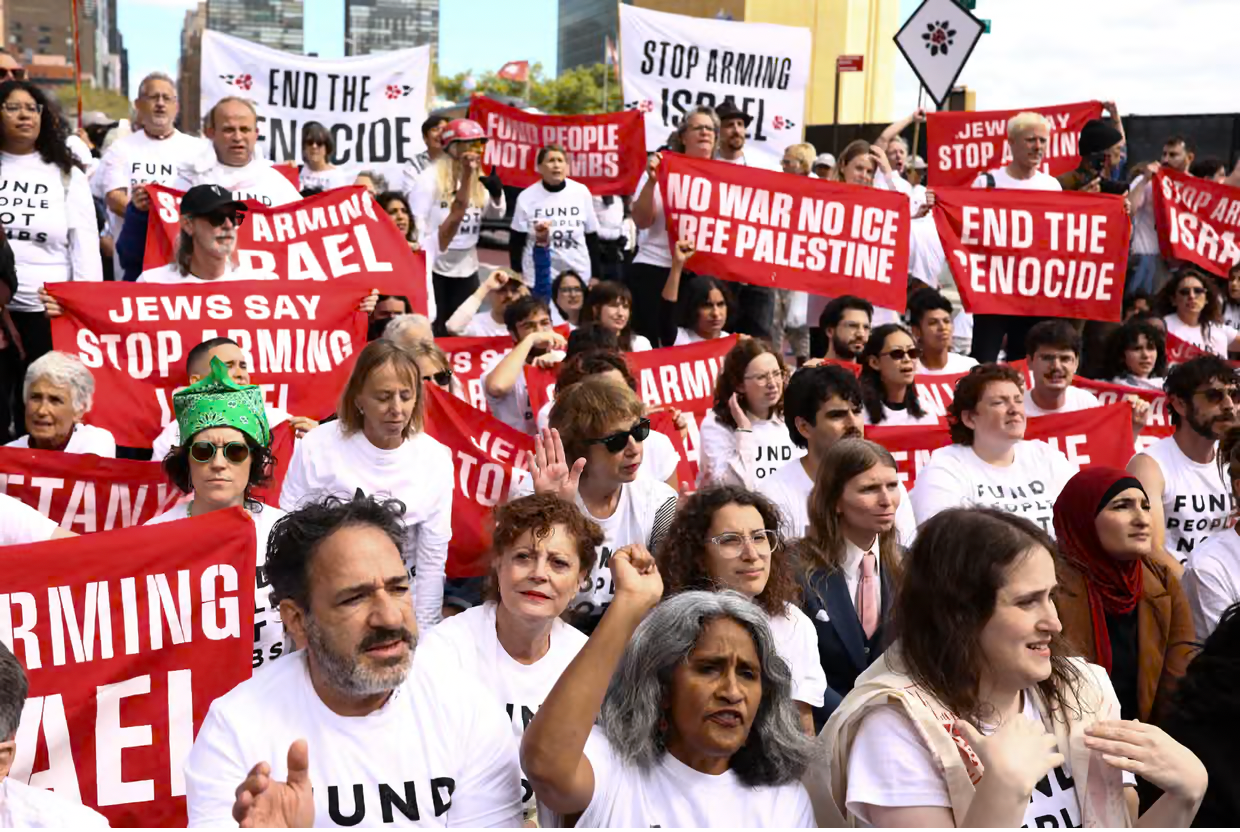
Read MoreDemonstrators protesting Netanyahu’s presence in New York performed a sit-in on First Avenue in front of the UN Headquarters, shutting down traffic, leading to the arrest of 104 people on charges of disorderly conduct. Apparently, free speech only applies to those with an ICC warrant.
Read MoreThe appetite for sports gambling will persist regardless of its consequences. However, litigation and public awareness should play a greater role in limiting the overreach of prediction markets and gambling companies.
Read MoreThe controversy surrounding the Loop Tour has displayed, on a large scale, the struggle between artistic expression and current global issues, and has called into question the point of musical performance—should music constitute a neutral space where people from all backgrounds and ideologies come together, or do artists hold a responsibility to call attention to political issues?
Read MoreBecause of the SAVE America Act’s ambiguous nature, states could feel emboldened to dictate not only which documents are acceptable, but also whose documents will be accepted as “sufficient proof of citizenship.” Its potential effects on married women are not solely about name change; they also concern whom the woman marries.
Read MoreElectoral politics is a zero-sum game. There is no such thing as a moral victory. If Democrats throw their hands up after the Virginia Supreme Court's ruling and unilaterally disarm, they would not only relegate themselves to permanent minority status short of an exceptional wave election but also reduce the likelihood of partisan gerrymandering ever being outlawed. The time has come for Democrats to embrace the nuclear option: all-out, maximum gerrymandering by any means necessary.
Read MoreIran has officially named Mojtaba Khamenei the supreme leader following his father’s death, but their leadership may still be due for a tremendous change. Exiled Crown Prince Reza Pahlavi hopes the turmoil of war will elevate him to power, transforming the country and its government.
Read MoreAttending the Mutua Madrid Open revealed more than just high-level competition. While professional tennis is often framed as a meritocratic, individual sport, its structure reveals how access to resources, financial, institutional, and social, plays a defining role in shaping who can compete. The tournament raises broader questions about who gets to participate in tennis and what ultimately determines overall success.
Read MoreOne of the most blatant examples of recent, beyond-all-odds Democratic upsets was Emily Gregory’s win over the Trump-endorsed Republican candidate for Florida’s House District 87. This district, which encompasses Trump’s Mar-a-Lago property, has been a Republican stronghold in previous Florida House elections.
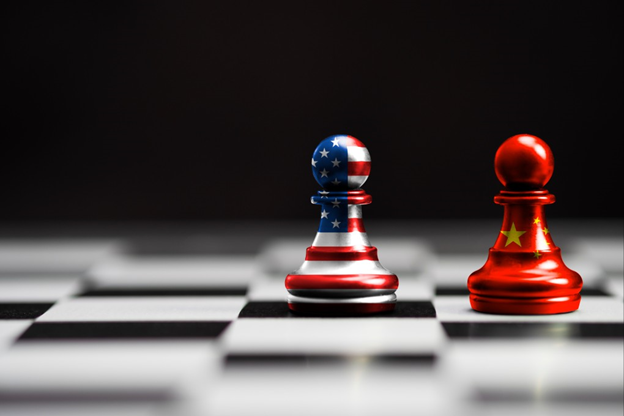
Read MoreSince World War II, the US and China have been the key players in the international system. The US-led reconstruction of Europe through the Marshall Plan shaped the world's order through security and containment approaches. China, during the late 20th century, began to grow as a new regional player. The first quarter of the 21st century has seen shifts in the balance of power. Will this be a zero-sum game between the two key players in the coming decades?
Read MoreThe answer lies less in investors’ behaviors and more in the rules governing what can be built in the first place. In many of the country’s most in-demand cities, local zoning laws often partially ban the construction of multi-family housing or severely limit building height, artificially constraining the supply of available units.
Read MoreThe strike on the girl’s elementary school in Minab occurred on February 6, 2026, in the wake of escalating military tensions between Iran, the United States, and Israel. Early evidence suggests that a Tomahawk cruise missile may have been used, pointing toward possible United States involvement, given that these weapons are primarily used by the U.S. military. Under International Humanitarian Law (IHL), the deliberate targeting of civilians constitutes a war crime, placing an attack of this scale well within the scope of potential prosecution.
Read MoreNon-violent resistance can be a muted reflection, standing in front of a mural at the UNC campus, reflecting all those moments of oppression, long before our generations, whose shoulders we stand on, who boldly and fearlessly gave their lives so we can breathe in a free society. All it takes is to stand in a moment of silence and reflection. Because someone, somewhere, stood in the face of oppression.
Read MoreThe Olympics often unite Americans across political divides, offering a rare moment when national pride outweighs partisanship. Yet, this year’s Winter Games in Milan have sparked debate after several U.S. athletes expressed discomfort representing the American government amid deep domestic political conflict. The conflicting reception of their comments by the American public and politicians has raised a broader question: should political expression have a place at the Olympics?
Read MoreOn February 11, U.S. Attorney General Pamela Bondi testified before the House Judiciary Committee regarding the handling and heavy redaction of the Epstein Files. Her behavior was the subject of intense scrutiny, as she responded combatively to questions and acted excessively protective of President Trump. Bondi’s refusal to resign in the face of impeachment threats, as well as her unending loyalty to Trump, sets a dangerous precedent that reputation takes priority over the protection and dignity of the American people.
Read MoreThe US has traditionally used its power to emphasize a rules-based, cooperative global order, structured by alliances and institutions. Under Trump, however, that power can be wielded as an extension of his individual will.
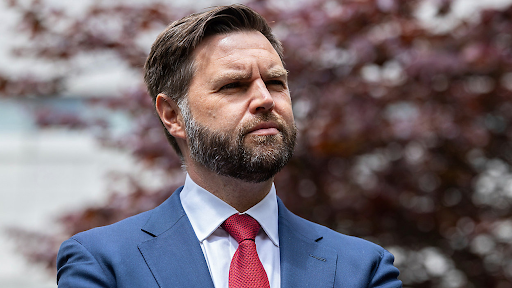
Read MoreThe emerging 2028 Republican field is defined less by ideological experimentation than by a shared constraint: how closely each contender can tether themselves to Trumpism without inheriting its liabilities wholesale. Vance currently appears best positioned to manage that balance, pairing institutional backing and ideological continuity with generational change, even if questions about his electoral dexterity remain unresolved.
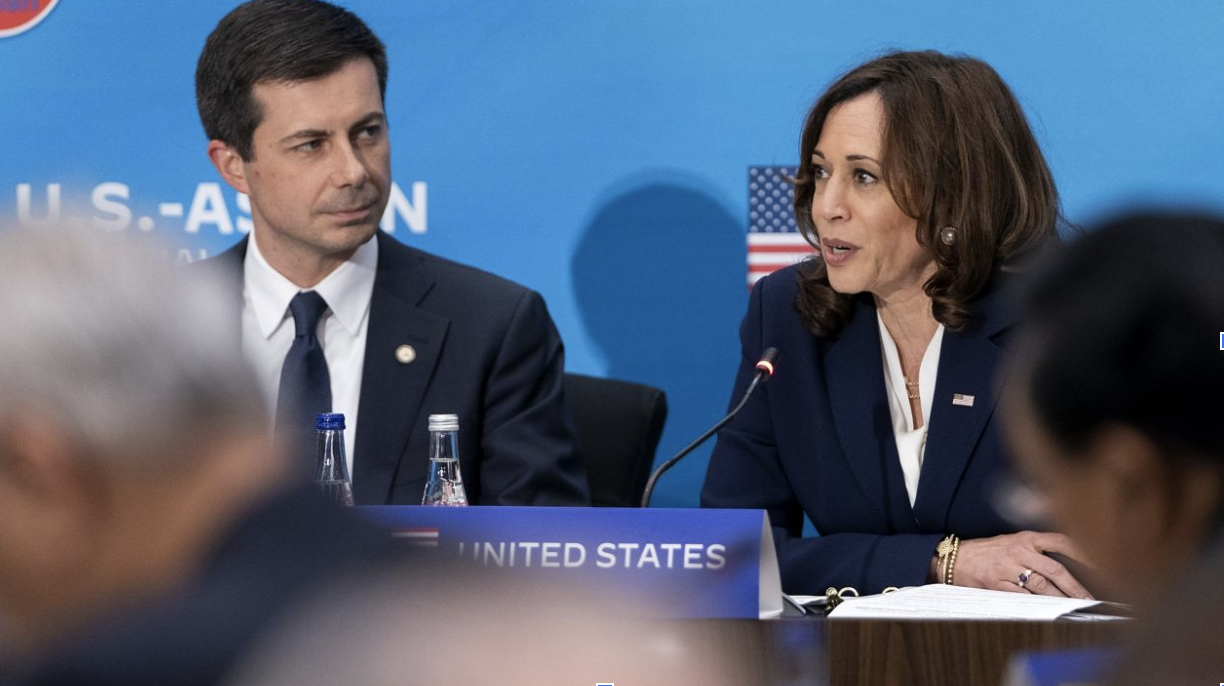
Read MoreThere is a recognition among Democrats that this is no longer a time to lick wounds from the 2024 loss; instead, it is time to recuperate for the fight ahead: the 2028 Presidential Election. Let’s meet the contenders, from frontrunners, secondary candidates, long shots, and dark horses, for the Democratic primaries.
Read MoreIn the wake of the Trump administration’s volatile and hostile global strategy, taking an isolationist and transactional approach to foreign policy and the NATO alliance, leaders across Europe are questioning whether this alliance remains reliable. The European Union has begun to rethink its defense strategy, with many leaders pushing for European strategic autonomy.
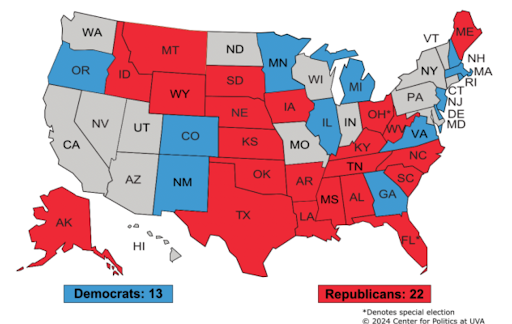
Read MoreThe Class 2 senate map, last up for election in 2020, provides both the Republican and the Democratic parties with a mixed bag of candidates. If the Democratic Party has any hope of retaking the Senate, it must not only defend its current seats but also flip contests in historically Republican states. With national headwinds leaning against them, the Republican Party hopes the favorable maps keep the Senate in their hands.
Read More