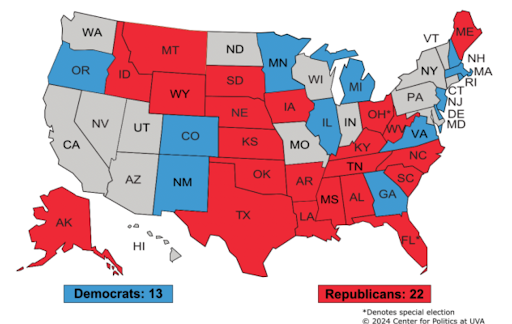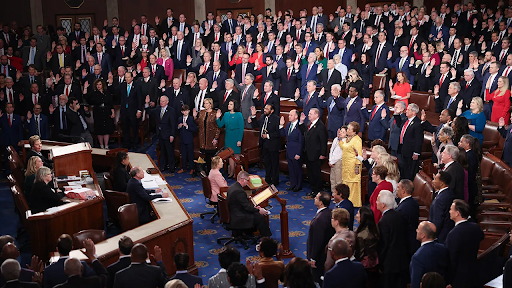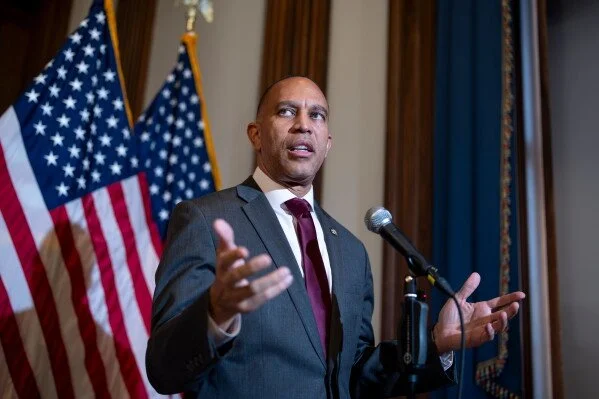
Congressional investigations into opposing-party presidents are not uncommon, but what distinguishes the current plans is the Democrats’ investigation and the polarization of modern American politics. A potential Democratic majority would therefore place these investigations at the intersection of two trends: Congress’s longstanding responsibility to oversee the executive branch and the growing partisan divide surrounding that responsibility.
Read MoreAlthough the Senate’s near-pass 49-50 vote on the Iran War Powers Resolution highlighted strong party loyalty, it also exposed notable Republican divisions regarding executive war powers and military action. Only one Democrat, Senator John Fetterman, broke ranks to oppose the measure, while four Republicans crossed party lines out of constitutional and economic concerns over a prolonged conflict.
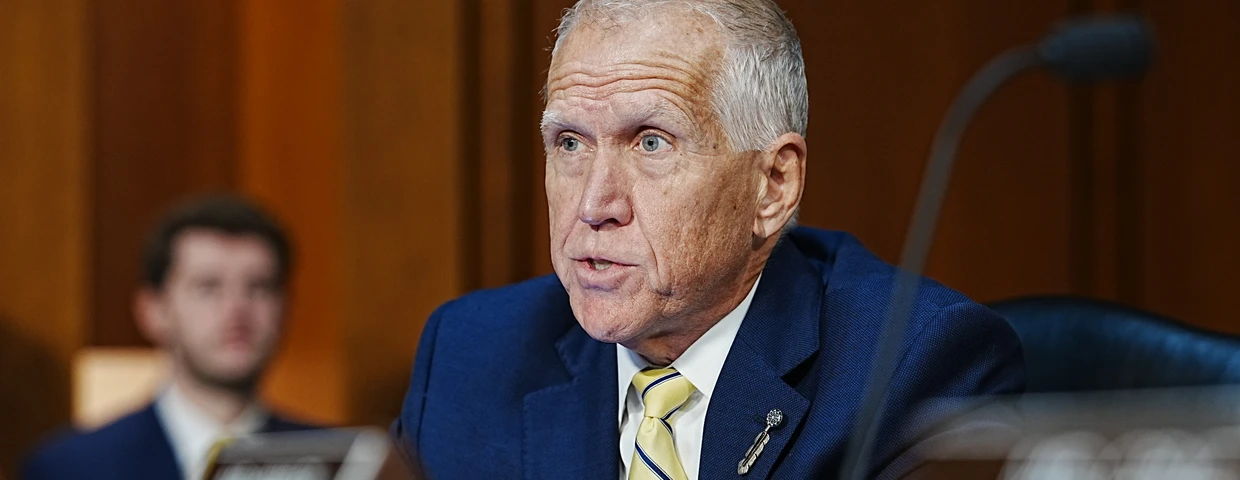
Read MoreThe Class 2 senate map, last up for election in 2020, provides both the Republican and the Democratic parties with a mixed bag of candidates. If the Democratic Party has any hope of retaking the Senate, it must not only defend its current seats but also flip contests in historically Republican states. With national headwinds leaning against them, the Republican Party hopes the favorable maps keep the Senate in their hands.
Read MoreA shift of just three seats could shatter the Republican trifecta and reshape national policymaking for the final two years of Trump’s presidency. With open districts, aggressive redistricting, and unhappy voters, the 2026 midterms are shaping up to be anything but ordinary.
Read More