
Trump Declares U.S. Will Not Attack Iran Ahead of Midterms
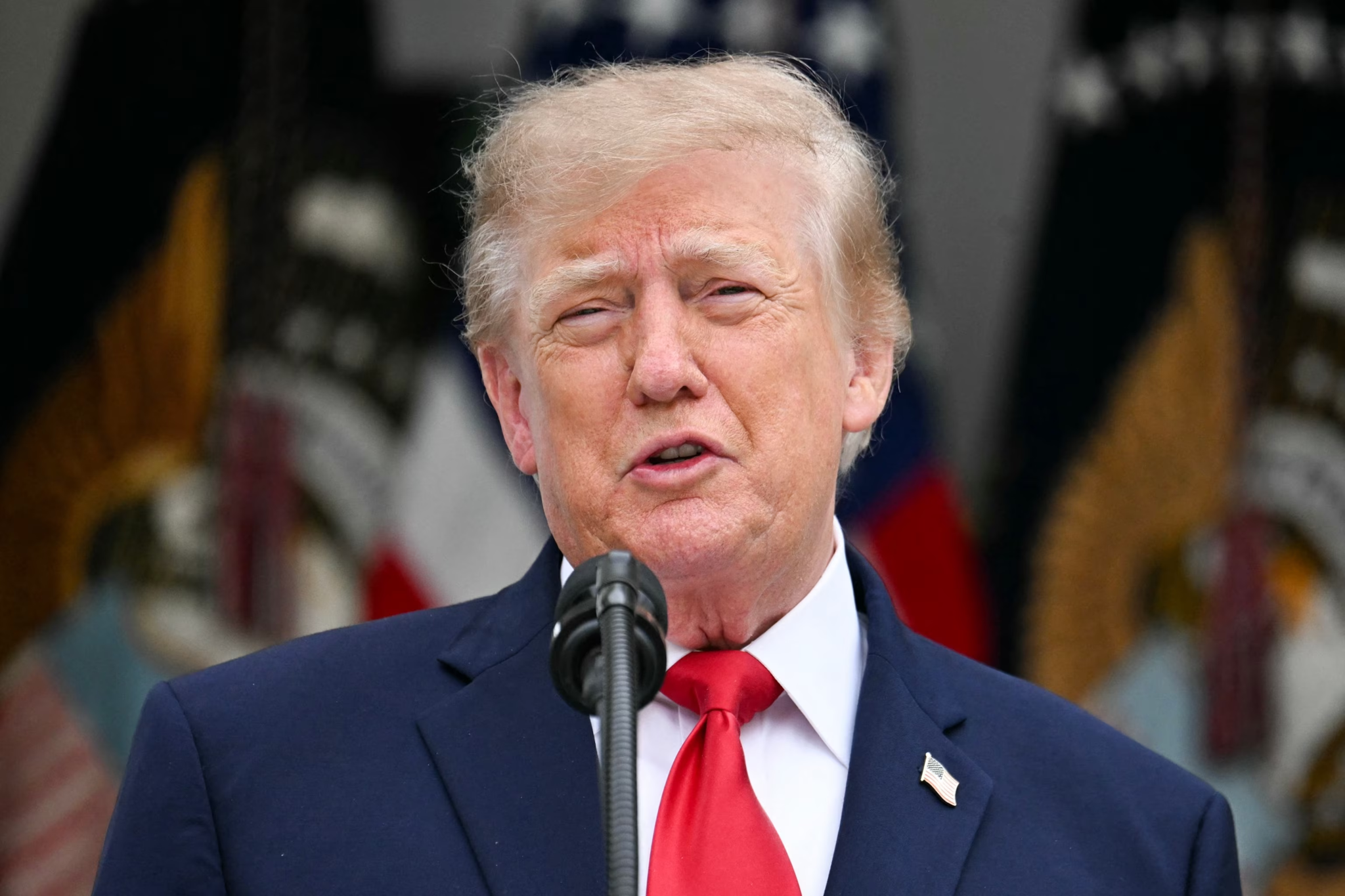
President Donald Trump faces mounting economic and political pressure over the Iran war ahead of the 2026 midterms. Source: ABC News.
The war in Iran is increasingly unpopular with the American people as they get ready to vote in the 2026 midterms this November. 65% of Americans disapprove of Trump’s handling of the war, and 44% strongly disapprove. On October 8, Donald Trump announced on Truth Social, “We will not be attacking Iran at any time prior to the Midterm Elections to be held in the United States on November 3,” and that the U.S. was “having productive discussions with the Islamic Republic of Iran.” Historically, Trump’s statements have caused significant daily swings in market prices, but his latest announcement failed to reverse rising oil prices. Despite Trump’s assurances, energy markets remain on high alert due to continued instability in the Middle East, leaving the administration facing economic and political challenges less than a month before midterm elections.
Earlier in the United States’ involvement, Trump’s announcements about negotiations helped suppress oil prices, particularly before July’s failed ceasefire, when the President’s comments helped keep costs lower. After the ceasefire, Trump’s statements have had less effect on oil prices; after his October 8 announcements, Brent crude, the international benchmark for global oil prices, rose 4% (closing at $104.28 per barrel), and U.S. crude rose 3.6% (closing at $91.49 per barrel). Despite oil exports through the Strait of Hormuz recovering to 80-90% of prewar levels, prices remain elevated, suggesting markets are increasingly skeptical of officials’ diplomatic statements and their reliability.
Beyond officials’ assurances, high tanker chartering costs, rising insurance premiums, and challenging operations remain key concerns for investors, suggesting that promises of stability are being overshadowed by highly unstable market conditions. This fading confidence in Trump’s messaging highlights a clear limit of the President’s economic power: public statements alone can’t guarantee stable energy supplies. This also shows the importance of stable geopolitical conditions in restoring market confidence, and that recovering oil shipment levels alone isn't enough when future conflict remains possible.
Since February, national gasoline prices have risen 46% to an average of $4.36 per gallon as of October 8, and diesel prices have reached $6.53—marking a 68% increase. Reuters reported that approximately 2 million barrels per day of refining capacity had been lost amid the United States' war in Iran and Russia's war with Ukraine. These cost increases are putting pressure on the American economy, affecting transportation, shipping, and consumer goods. While the administration continues searching for ways to stabilize energy prices, public dissatisfaction with the conflict has become another concern heading into November.
Pew Research found that 64% of Americans disapprove of Trump’s handling of the war, with 44% strongly disapproving, compared to 61% in March, and only 34% believe the decisions to use military force were correct. These concerns are only amplified when placed in the context of rising prices, as 73% of Americans express serious concerns about rising fuel costs due to this conflict and 71% remain concerned about American troops being hurt or killed. These figures, coupled with Trump’s decreasing influence on markets, provide an opportunity to examine how foreign policy concerns intersect with voters' economic priorities.
With differing claims between democratic and republican campaigns, Trump’s economic record stands coupled with his handling of the Iran war, leaving voters to weigh the domestic costs of a foreign conflict as they head to the polls this November.